
Wellness exams play an important role in keeping cats healthy throughout every life stage. Even when your cat appears well, routine examinations allow veterinarians to identify subtle changes that may signal early disease. Because cats often hide signs of illness, regular wellness visits are one of the most effective ways to support long-term health.
At A Gentle Vet, wellness exams focus on prevention, early detection, and individualized care. Below, we explain what a cat wellness exam includes, what veterinarians evaluate, and how routine care supports your cat’s overall health and longevity.
What Is A Cat Wellness Exam?
A cat wellness exam is a routine medical evaluation designed to monitor health, establish baselines, and identify concerns before they become serious. These visits are typically low-stress and tailored to your cat’s age, lifestyle, and medical history.
Kittens are generally seen monthly during their first few months of life. Healthy adult cats benefit from annual exams, while middle-aged and senior cats are often recommended for twice-yearly visits due to increased risk of chronic disease.
During the visit, your veterinarian will review diet, activity level, behavior, litter box habits, and overall lifestyle. A full physical exam is performed, and preventive care recommendations are discussed. The American Veterinary Medical Association compares these exams to routine physicals in human medicine.
What Veterinarians Evaluate During A Wellness Exam
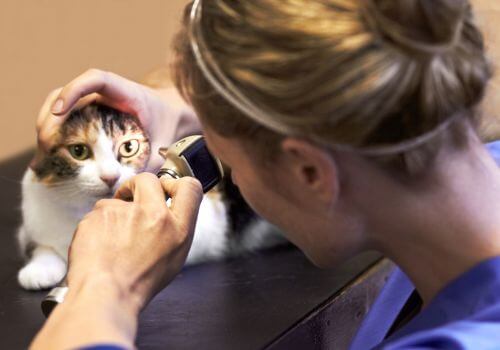
During a wellness exam, your veterinarian performs a head-to-tail assessment that may include:
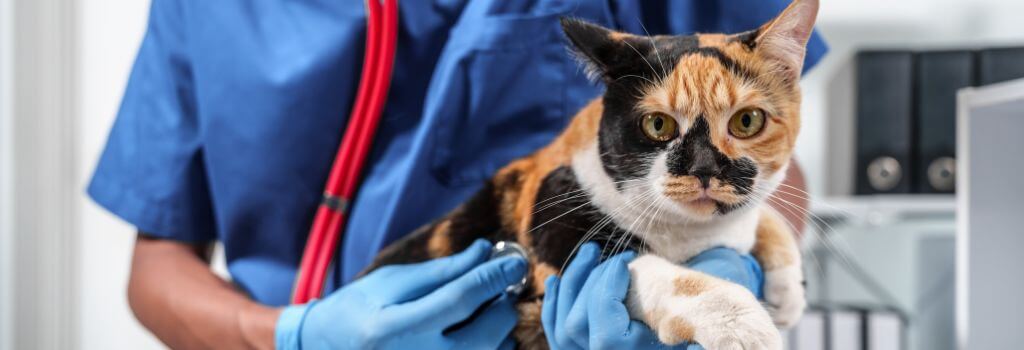
- Heart and lung evaluation
- Eyes, ears, and nose
- Mouth and teeth
- Skin and coat
- Abdominal palpation
- Neurologic function
- Urogenital system
- Hydration status
- Weight and body condition
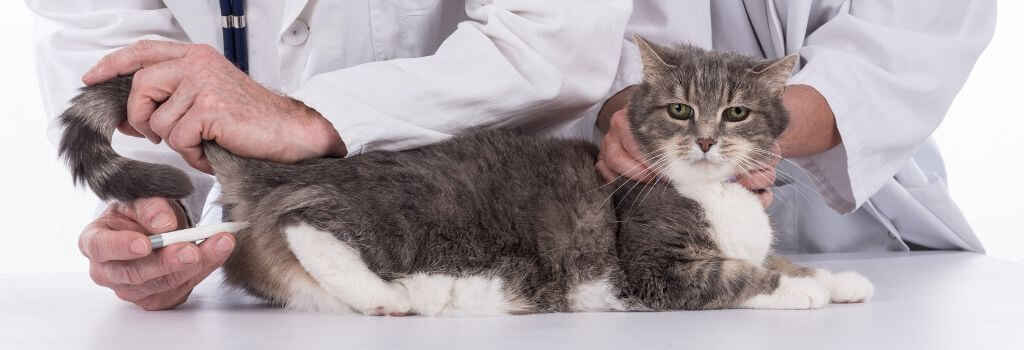
- Temperature
- Assessment for lumps, bumps, or skin abnormalities
Cats under 10 years of age often receive a baseline blood panel. For cats aged 10 and older, senior screening typically includes a complete blood count (CBC), biochemistry profile, urinalysis, and thyroid testing. Vaccination recommendations are reviewed based on age, health status, and current guidelines.
What Diagnostic Tests May Be Recommended For My Cat?
Diagnostic testing helps identify health concerns that may not be visible during a physical exam. Depending on findings, your veterinarian may recommend laboratory testing or imaging.
Common diagnostics include blood work, urinalysis, fecal testing, skin testing, EKG, and imaging such as radiology or ultrasound. Advanced diagnostics like cytology or histopathology may also be recommended when needed.
These tests help assess kidney and liver function, detect infections, identify metabolic disease, evaluate hydration status, and monitor heart health.
How Wellness Care Supports Long-Term Health
Preventive care plays a significant role in a cat’s longevity and quality of life. Regular wellness care helps detect disease earlier, when treatment is often simpler and more effective.
In addition to medical care, maintaining a healthy weight, providing balanced nutrition, supporting dental health, and managing chronic conditions all contribute to long-term wellness.
Environmental wellness also matters. Clean living spaces, predictable routines, enrichment activities, and stress reduction help support both physical and emotional health.
When Should Cats Be Seen For Wellness Exams?
Most adult cats should be seen at least once per year. Cats over 10 to 11 years of age benefit from exams every six months, as age-related conditions can develop quickly.
Any changes in behavior, appetite, litter box habits, energy level, or appearance should prompt a veterinary visit, regardless of the time since the last exam. Early evaluation can make a meaningful difference in outcomes.
Signs Your Cat May Not Be Feeling Well
Cats often hide discomfort, making subtle changes important to notice. Signs that may indicate illness include:
- Changes in posture, movement, or balance
- Withdrawal, hiding, or increased clinginess
- Dull or unkempt coat
- Changes in appetite or water intake
- Litter box changes or straining to urinate
- Breathing changes at rest
- Eye or nasal discharge
- Vomiting, diarrhea, or constipation
- Unexplained weight loss or gain
- Bad breath
Common feline conditions include kidney disease, dental disease, diabetes, cancer, FLUTD, FIV, FeLV, heartworm disease, and upper respiratory infections.
Environmental Factors That Affect Cat Wellness
Both indoor and outdoor environments influence feline health. Indoor considerations include cleanliness, enrichment, access to natural light, and space for normal behaviors. Outdoor exposure increases risks related to parasites, infectious disease, trauma, and weather.
Providing a clean environment, appropriate enrichment, parasite prevention, and safe housing supports overall wellness. The American Association of Feline Practitioners offers additional guidance on feline environmental needs.
Supporting Your Cat's Care
Early detection allows veterinarians to address health concerns before they progress. Because cats age more rapidly than humans, even small changes can be clinically significant.
Routine wellness exams combined with laboratory screening help identify early kidney disease, thyroid disorders, diabetes, infections, and other common conditions. Identifying issues early often leads to better treatment options and improved quality of life.
If you have questions about your cat’s health or would like to schedule a wellness exam, please call (801) 968-9932 or email [email protected].
Follow us on social media: Facebook.